Cheque Bounce
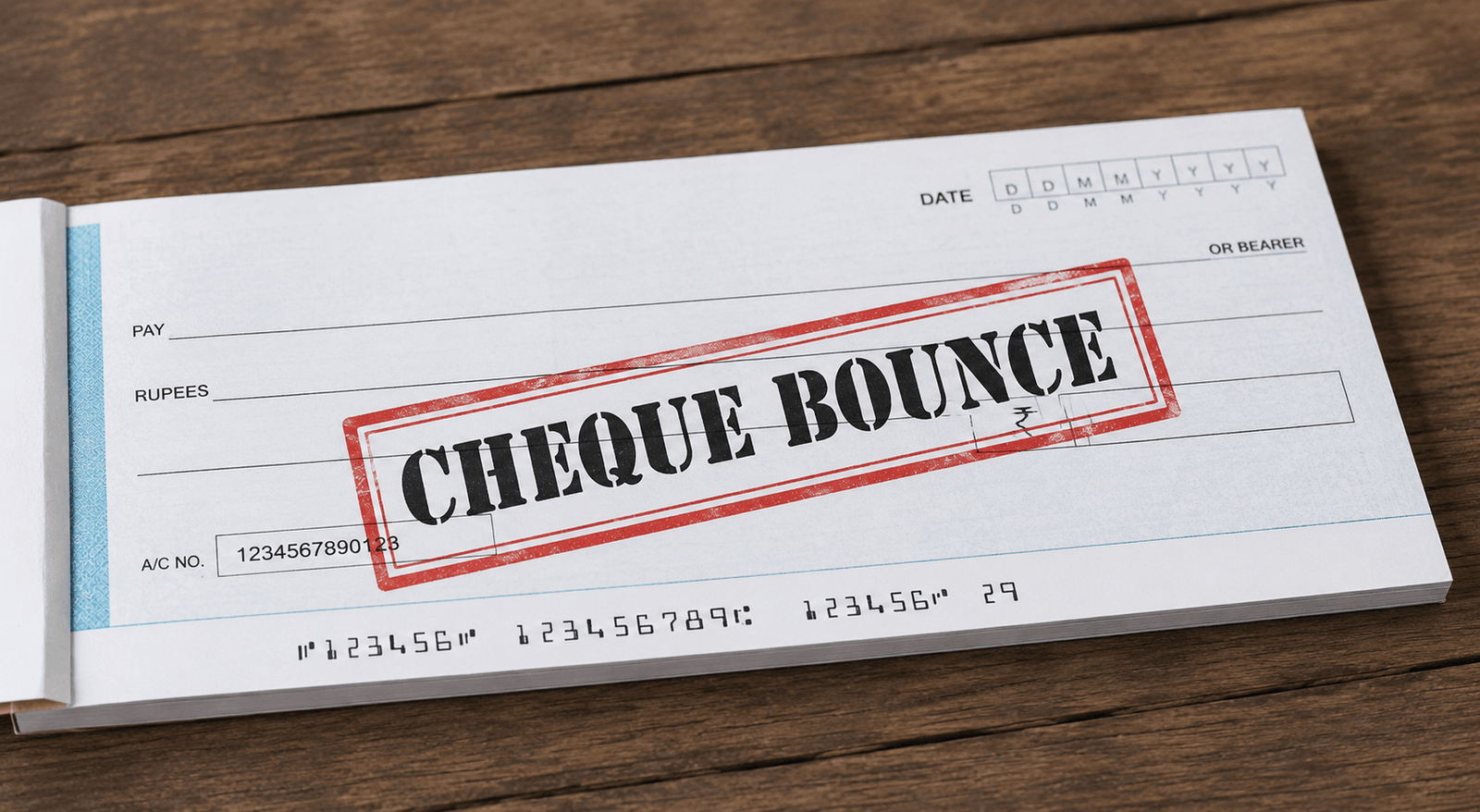
A cheque bounce, also known as the dishonour of a cheque, occurs when a cheque cannot be processed by the bank due to insufficient funds in the issuer’s account or other valid reasons, resulting in its rejection. In India cheque dishonour is governed by Section 138 of the Negotiable Instruments Act, 1881 and may lead to criminal proceedings against the issuer. Seeking guidance from an experienced cheque bounce lawyer in tis hazari court delhi can help you understand your legal rights and take timely action.
Reasons for a Cheque Bounce
Insufficient Funds: The issuer’s bank account does not have sufficient balance to honour the cheque.
Signature Mismatch: The signature on the cheque does not match the specimen signature available with the bank.
Overwriting on the Cheque: Alterations or overwriting may result in the cheque being dishonoured.
Post-Dated Cheque: The cheque is presented before the date mentioned on it.
Frozen or Dormant Account: The account from which the cheque is issued is frozen or inactive.
Account Closed: The cheque is drawn on an account that has already been closed.
Mismatch in Amount: The amount written in words differs from the amount written in figures.
Legal Consequences of a Cheque Bounce
Under Section 138 of the Negotiable Instruments Act, 1881 the dishonour of a cheque is treated as a criminal offence, subject to the fulfilment of the prescribed legal conditions. The issuer of the dishonoured cheque may face criminal prosecution.
Conditions for Filing a Case under Section 138
Cheque Issued Towards a Legally Enforceable Debt or Liability: The cheque must have been issued for repayment of an existing debt or financial liability.
Cheque Returned by the Bank: The cheque must have been returned unpaid for insufficient funds or another legally recognised reason.
Legal Notice: The payee must issue a written legal notice within 30 days of receiving information regarding the cheque dishonour.
Failure to Pay Within 15 Days: If the drawer fails to make payment within 15 days of receiving the legal notice, legal proceedings may be initiated.
Filing of Complaint: The complaint must be filed before the competent court within the prescribed limitation period.
Legal Penalties
If convicted under Section 138 of the Negotiable Instruments Act the drawer may face:
Imprisonment for up to two years.
A fine that may extend to twice the cheque amount.
Compensation as directed by the court.
Procedure for Filing a Cheque Bounce Case
Issuing a Legal Notice
After the cheque is dishonoured the payee serves a legal notice demanding payment from the drawer.
Filing a Complaint
If payment is not made within the statutory period the payee may file a complaint before the appropriate Judicial Magistrate or Metropolitan Magistrate.
Court Proceedings
The court examines the evidence presented by both parties before deciding the matter on its merits.
Judgment
If the allegations are proved the court may impose imprisonment, fine, compensation or a combination thereof as provided under the law.
An experienced cheque bounce lawyer in tis hazari court delhi can assist with issuing legal notices, filing complaints, representing clients before the court and protecting their legal interests throughout the proceedings.