
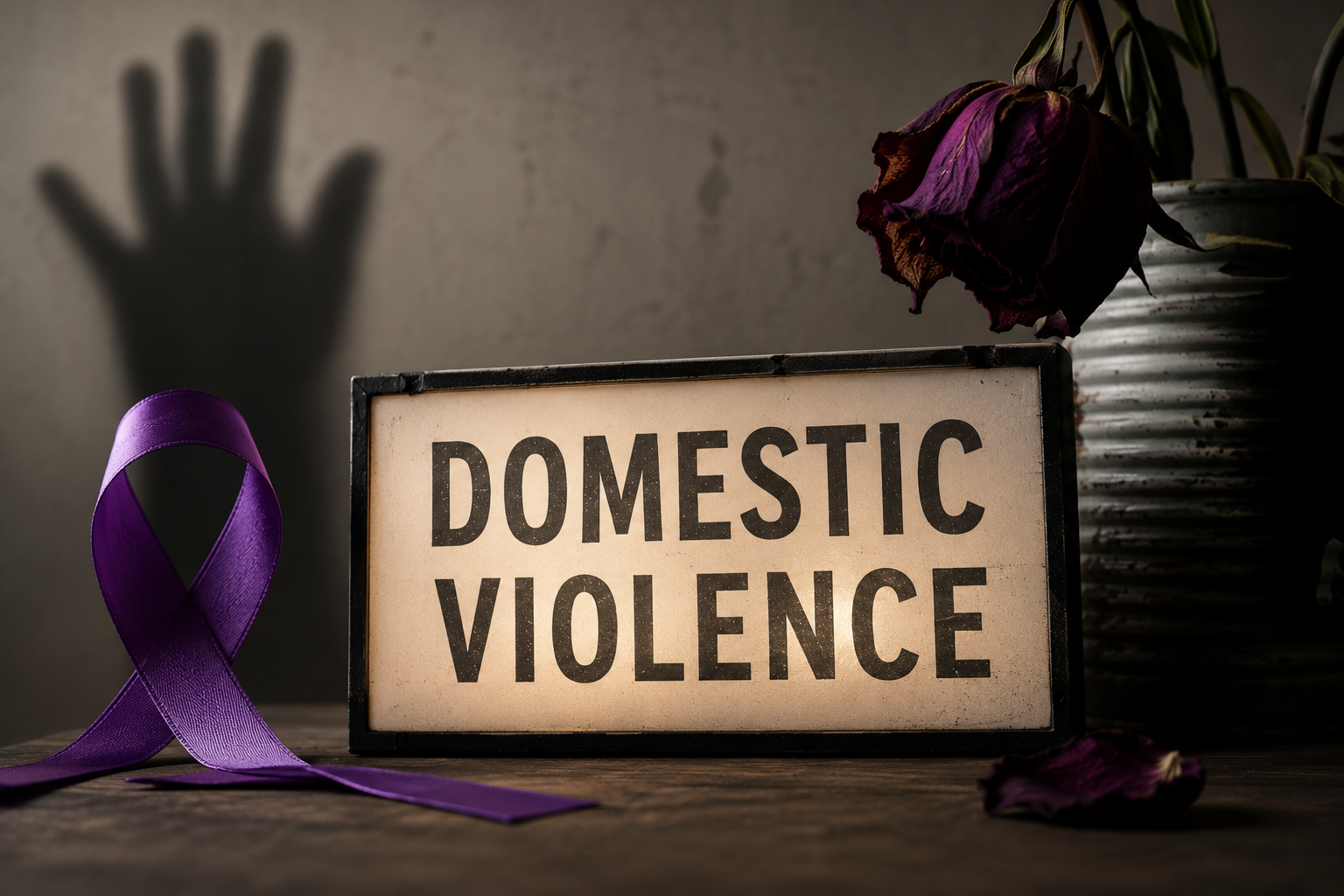
Domestic Violence
Domestic violence refers to abusive behaviour used by one person in a relationship to gain or maintain control over another. It may involve physical, emotional, psychological, sexual, verbal or financial abuse and can occur within marriages, live-in relationships or family relationships. In India, victims of domestic violence are protected through various legal provisions that provide civil and criminal remedies. Seeking guidance from an experienced domestic violence lawyer in tis hazari court can help victims understand their legal rights and obtain timely protection through the appropriate legal process.
Forms of Domestic Violence
Physical Abuse
Physical abuse includes acts such as hitting, slapping, punching, pushing, choking or any conduct that causes bodily injury or physical harm.
Emotional or Psychological Abuse
This includes threats, intimidation, humiliation, verbal harassment, manipulation and behaviour that negatively affects a person’s mental and emotional well-being.
Sexual Abuse
Sexual abuse involves any sexual act committed without free consent, including forced sexual relations and other forms of sexual exploitation.
Financial or Economic Abuse
Economic abuse occurs when the abuser controls the victim’s financial resources, prevents employment, restricts access to money or creates financial dependency.
Social Abuse
This includes isolating the victim from family members, friends or social networks to increase control over their personal life.
Verbal Abuse
Verbal abuse includes insulting language, repeated criticism, threats, humiliation and other conduct intended to damage the victim’s self-esteem.
Domestic Violence Law in India
The Protection of Women from Domestic Violence Act, 2005 (PWDVA) is the principal legislation that provides legal protection against domestic violence. The Act covers physical, emotional, sexual, verbal and economic abuse while providing civil remedies to protect women living in domestic relationships.
Key Provisions of the Protection of Women from Domestic Violence Act, 2005
Definition of Domestic Violence
The Act broadly defines domestic violence and extends protection to wives, mothers, daughters, sisters, women in live-in relationships and other eligible persons residing in a shared household.
Rights of Victims
Victims have the right to:
Protection from further abuse.
Continue residing in the shared household where legally applicable.
Seek monetary relief.
Apply for child custody orders.
Obtain compensation for injuries and emotional distress.
Protection Orders
Courts may issue protection orders restraining the respondent from committing further acts of domestic violence or harassment.
Residence Orders
The court may allow the victim to continue residing in the shared household or direct suitable alternative accommodation where necessary.
Monetary Relief
Victims may receive financial assistance towards medical expenses, maintenance, loss of earnings and other related costs.
Custody Orders
The court may grant temporary custody of children after considering their welfare and safety.
Compensation Orders
Compensation may be awarded for physical injuries, emotional suffering and mental trauma resulting from domestic violence.
Temporary Relief
The court may grant interim protection and emergency relief pending final disposal of the case.
Breach of Court Orders
Violation of protection or residence orders may result in criminal proceedings against the respondent.
Criminal Provisions Under Indian Law
Domestic violence cases may also involve criminal offences under applicable laws relating to:
Cruelty by husband or relatives.
Dowry-related offences.
Sexual offences.
Criminal breach of trust.
Assault and other criminal acts.
Filing a Domestic Violence Case
Filing a Complaint
Victims may approach the police, Protection Officer, Magistrate or Family Court for appropriate legal relief.
Role of the Protection Officer
The Protection Officer assists victims in filing complaints, obtaining legal remedies and implementing court orders.
Mediation and Counselling
Where appropriate, courts may encourage counselling or mediation, provided the victim’s safety is not compromised.
Interim Orders
Immediate protection orders, residence orders, maintenance and other interim relief may be granted while the case is pending.
Challenges in Domestic Violence Cases
Underreporting due to fear or social stigma.
Financial dependence on the abuser.
Delays in legal proceedings.
Social and cultural barriers.
Difficulties in enforcing court orders.
Conclusion
Domestic violence is a serious violation of legal and human rights that requires timely legal intervention. Victims should seek immediate legal assistance to obtain protection, maintenance, custody and other remedies available under Indian law. Consulting an experienced domestic violence lawyer in tis hazari court can help victims navigate legal proceedings effectively while safeguarding their rights and personal safety.